

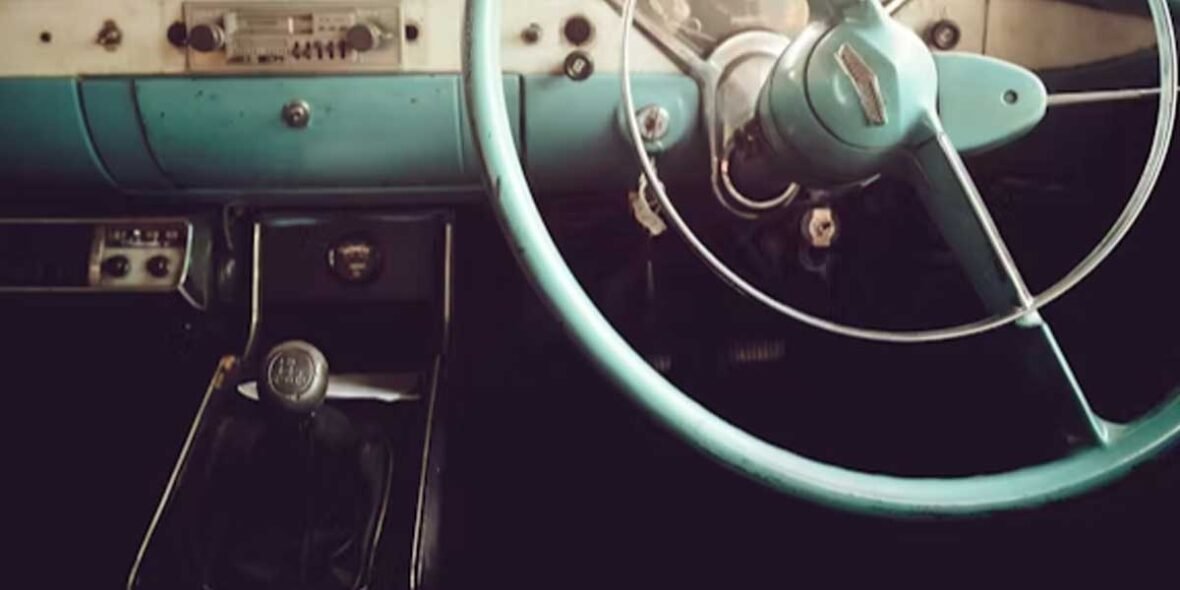
The Part That Keeps You in Control
Every time you turn your steering wheel, you are relying on a sequence of precisely engineered components to translate that movement into a predictable change in direction. Most drivers give very little thought to how that actually happens, and for the most part that is fine. When everything is working correctly, steering feels almost effortless. The problem is that when it starts to go wrong, the consequences are anything but subtle.
At the heart of your steering system sits the steering rack. It is the component that converts the rotational input from your steering wheel into the lateral movement that turns your front wheels left or right. It is not a glamorous part, and it rarely gets discussed at the same level as engines or brakes, but your ability to safely navigate any road depends on it functioning properly. Understanding what it does, how to recognise when it is failing, and what your options are when it needs attention can save you both money and, more importantly, risk on the road.
How the Steering Rack Actually Works
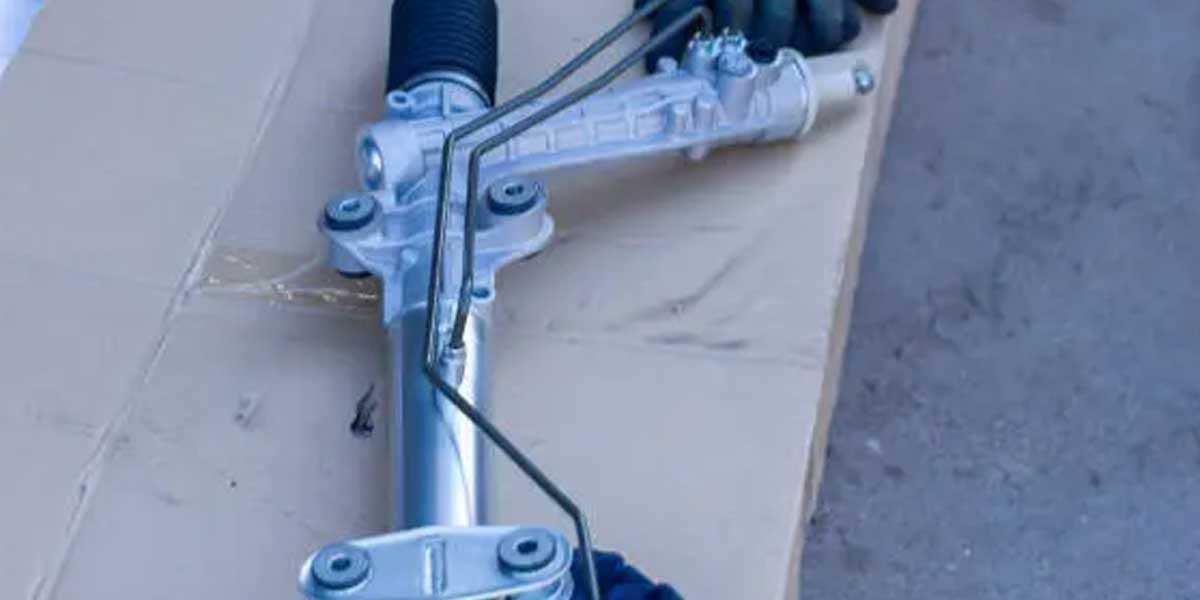
The steering rack operates as part of a rack-and-pinion system, which is the standard design used in the vast majority of modern passenger cars. When you turn your steering wheel, the movement travels down the steering column to a small gear called the pinion. That pinion meshes directly with the toothed rack, which is a horizontal bar running across the front of the car. As the pinion rotates, it pushes the rack left or right. Tie rods connected to each end of the rack transfer that movement to the wheel hubs, which is what physically steers the tyres.
The elegance of this system is its directness. There are relatively few components between your hands and the road, which gives the driver a precise sense of what the front wheels are doing at any moment. This quality of feedback is exactly what makes steering rack problems so noticeable once they develop. You do not just lose performance quietly. You feel it.
Most modern vehicles use either a hydraulic or electric power-assisted version of this system. Hydraulic racks use pressurised fluid from a power steering pump to reduce the physical effort needed to steer. Electric power-assisted steering, increasingly common on newer vehicles, uses an electric motor instead and removes the pump and fluid from the equation altogether, which reduces maintenance requirements.
Warning Signs You Should Never Ignore
A steering rack does not fail without warning. In almost every case, it communicates its deterioration through symptoms that become harder and harder to dismiss as the condition worsens. Knowing what to look for allows you to act before a manageable repair becomes a dangerous situation.
Unusual noises when turning are often the earliest and most consistent sign. A clunking, knocking, or grinding noise as you turn the wheel, particularly at low speeds or when parking, suggests that internal components within the rack are wearing or that mounting hardware has loosened. The sound tends to worsen over time rather than coming and going unpredictably.
Loose or vague steering is another prominent symptom. If the car feels like it requires more input than usual to change direction, or if there is noticeable play in the wheel before the vehicle responds, the rack may be worn internally. This can feel like a disconnection between your steering intention and the car’s actual response, which is disconcerting to experience and genuinely hazardous in emergency situations.
Fluid leaks beneath the vehicle are a clear indicator of trouble in hydraulic-assisted systems. Power steering fluid is typically clear to light amber in colour and is distinct from oil or coolant. A leak from the rack housing or from the lines connecting to it means the system is losing pressure, which will progressively worsen the steering feel and, if left unaddressed, can lead to complete power steering failure.
Uneven tyre wear is a less obvious but reliable indicator. When the steering rack is worn or misaligned, it can cause one or both front tyres to wear in a pattern inconsistent with normal use, including excessive wear on one shoulder of the tyre. This is worth investigating promptly because it affects both handling and tyre longevity.
The National Highway Traffic Safety Administration (NHTSA) at nhtsa.gov maintains records of steering-related recalls and safety complaints, and data from their database consistently identifies steering component failures as a meaningful contributor to loss-of-control accidents. Addressing early warning signs is far preferable to waiting until a fault escalates.
Maintenance Practices That Extend Rack Life
The steering rack is not a maintenance-intensive component in the same way that an engine or transmission is, but it is not maintenance-free either. A handful of consistent practices will significantly extend its operational life.
Keep power steering fluid at the correct level and condition. In hydraulic systems, degraded or low fluid increases internal friction and wear within the rack. Checking the reservoir periodically and topping up with the correct specification fluid costs almost nothing. Having the fluid flushed and replaced according to your manufacturer’s service schedule is equally important.
Avoid holding the steering wheel at full lock. Turning the wheel to its maximum travel and holding it there while the engine is running builds extreme pressure within the hydraulic system. Occasional brief contact with full lock during normal manoeuvring is unavoidable, but sustained full-lock pressure accelerates rack seal wear considerably.
Have your wheel alignment checked regularly. Misaligned wheels place unequal lateral forces on the rack and tie rods, which accelerates wear unevenly across the assembly. An alignment check after any significant kerb strike or pothole encounter is a sensible precaution, particularly given how much stress those impacts transfer to the steering components.
For more practical advice on keeping your vehicle in good condition between professional services, the guide on Asian auto care and everyday car maintenance covers a broader set of habits that benefit virtually all vehicle types.
When Replacement Becomes the Right Decision
There are situations where maintenance and repair are not sufficient and replacement is the more practical and cost-effective outcome. If the rack is leaking from the internal seals and the vehicle has high mileage, a rebuild may offer only a temporary solution before the seals fail again. At that point, a quality replacement unit is the more reliable long-term choice.
Choosing the right replacement matters. A quality steering rack that matches your vehicle’s specific make, model, and power-assisted configuration is essential. Universal or incorrectly specified parts will not deliver the same performance characteristics as a correctly matched unit, and the implications for steering feel and safety are significant. Always verify fitment by cross-referencing your vehicle registration or VIN before purchasing.
Remanufactured units represent a sensible middle ground for many drivers. These are original racks that have been stripped, inspected, worn components replaced, and reassembled to a tested standard. They typically cost less than new units while offering more reliability than unverified used parts, and many come with meaningful warranty coverage.
The Broader Picture: Steering Rack and Vehicle Value
There is another dimension worth considering for any driver thinking about the long-term picture of their vehicle ownership. A steering rack in poor condition affects the overall worth and saleability of a vehicle, and understanding the timing of when to invest in repairs versus other ownership decisions is a worthwhile exercise. Our piece on when to use a car valuation tool explores how to think about vehicle worth in the context of repair and maintenance decisions, which is directly relevant when facing a replacement cost on a major steering component.
At its core, a well-maintained steering rack is not simply a mechanical necessity. It is what connects your intentions as a driver to the physical reality of your vehicle’s movement. That connection deserves the same level of attention you would give to any other critical safety system on your car.